
 Post by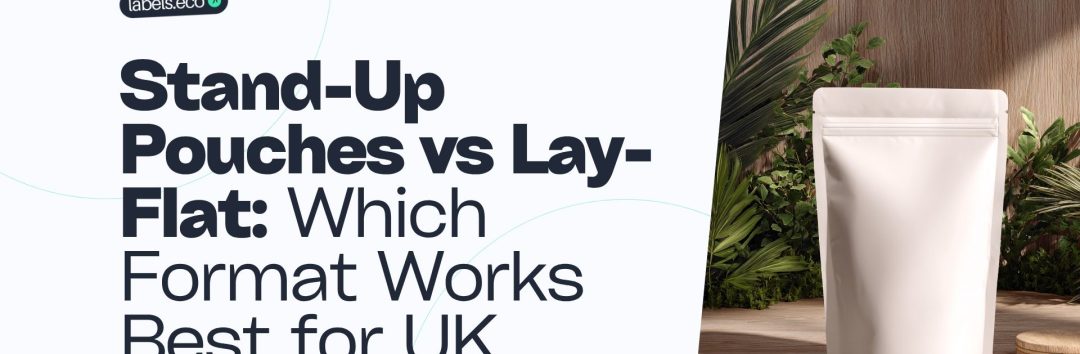
In the ever-evolving landscape of packaging, stand-up pouches and lay-flat formats have emerged as two prominent contenders, each offering unique benefits tailored to various consumer needs and brand strategies. Stand-up pouches, characterised by their ability to maintain an upright position on shelves, provide a visually appealing display that enhances product visibility. These pouches are typically made from flexible materials, allowing for a lightweight and space-efficient design that can accommodate a variety of products, from snacks to liquids.
Conversely, lay-flat formats, which are designed to lie flat when filled, offer a different set of advantages, particularly in terms of storage and shipping efficiency. This article delves into the nuances of these two packaging formats, exploring their popularity in the UK market, the advantages they offer to brands, and the considerations that come into play when selecting the right format. The choice between stand-up pouches and lay-flat formats is not merely a matter of aesthetics; it encompasses a range of practical considerations that can significantly impact a brand’s success.
As consumer preferences shift towards convenience and sustainability, packaging solutions must adapt accordingly. The rise of e-commerce has further complicated the landscape, necessitating packaging that not only protects products but also appeals to consumers at first glance. Understanding the distinct characteristics of stand-up pouches and lay-flat formats is essential for brands aiming to optimise their packaging strategies in a competitive marketplace.
Summary
- Stand-up pouches and lay-flat formats are popular packaging options in the UK market.
- UK brands benefit from the advantages of stand-up pouches, such as convenience, shelf appeal, and branding opportunities.
- The appeal of lay-flat formats for UK brands lies in their versatility, cost-effectiveness, and suitability for certain products.
- Packaging design and branding are crucial considerations for UK brands when choosing between stand-up pouches and lay-flat formats.
- UK brands should also consider the environmental impact, shelf presence, consumer appeal, and practical production and distribution considerations when selecting the right packaging format.
The Popularity of Stand-Up Pouches in the UK Market
Stand-up pouches have gained remarkable traction in the UK market over recent years, driven by their versatility and consumer-friendly design. According to industry reports, the flexible packaging market in the UK has seen a significant uptick, with stand-up pouches accounting for a substantial share of this growth. Their ability to stand upright not only enhances shelf presence but also facilitates easier access for consumers, making them an attractive option for retailers looking to maximise sales.
The convenience factor cannot be overstated; consumers appreciate packaging that is easy to open and reseal, which is a hallmark of many stand-up pouch designs. Moreover, the aesthetic appeal of stand-up pouches plays a crucial role in their popularity. Brands are increasingly leveraging vibrant graphics and transparent windows to showcase their products, creating an engaging visual experience that draws consumers in.
This trend is particularly evident in sectors such as snacks, pet food, and health supplements, where product differentiation is key. The ability to customise stand-up pouches with various finishes—such as matte or gloss—further enhances their appeal, allowing brands to align their packaging with their overall marketing strategy.
Advantages of Stand-Up Pouches for UK Brands
The advantages of stand-up pouches extend beyond mere aesthetics; they offer practical benefits that can significantly enhance a brand’s operational efficiency. One of the primary advantages is their lightweight nature, which reduces shipping costs and carbon footprint compared to traditional rigid packaging. This aspect is particularly relevant in an era where sustainability is at the forefront of consumer consciousness.
Brands that adopt stand-up pouches can position themselves as environmentally responsible while also benefiting from lower transportation costs. Additionally, stand-up pouches often feature resealable closures, which cater to the modern consumer’s desire for convenience and portion control. This functionality not only extends the shelf life of products but also encourages repeat purchases by enhancing user experience.
For instance, brands like Graze have successfully utilised stand-up pouches for their snack offerings, allowing consumers to enjoy their products over multiple sittings without compromising freshness. This practical advantage translates into increased customer satisfaction and loyalty, making stand-up pouches an appealing choice for brands aiming to foster long-term relationships with their consumers.
The Appeal of Lay-Flat Formats for UK Brands
While stand-up pouches have carved out a significant niche in the UK market, lay-flat formats also hold considerable appeal for brands seeking efficient packaging solutions. One of the most compelling advantages of lay-flat formats is their space-saving design during storage and transportation. When filled, these packages can be stacked neatly, optimising warehouse space and reducing shipping costs.
This efficiency is particularly beneficial for brands with high-volume products or those operating within tight logistical constraints. Furthermore, lay-flat formats often lend themselves well to bulk packaging options, making them ideal for products that are sold in larger quantities. For example, brands in the food service industry frequently utilise lay-flat bags for bulk ingredients or snacks intended for catering purposes.
The ability to easily label and stack these packages simplifies inventory management and enhances operational efficiency. Additionally, lay-flat formats can be produced using various materials that offer excellent barrier properties, ensuring product freshness while maintaining cost-effectiveness.
Considerations for Packaging Design and Branding
When it comes to packaging design and branding, both stand-up pouches and lay-flat formats present unique challenges and opportunities. For stand-up pouches, the design must not only be visually appealing but also functional; the pouch must be engineered to maintain its shape while standing upright. This requires careful consideration of material selection and structural design to ensure that the pouch can withstand handling during transportation and display.
In contrast, lay-flat formats allow for more straightforward design elements since they do not need to support themselves when filled. However, this simplicity can also pose challenges in terms of shelf presence; brands must find innovative ways to make their products stand out on crowded shelves. Creative use of colour, typography, and imagery becomes essential in capturing consumer attention.
Additionally, brands must consider how their packaging aligns with their overall brand identity; consistency across all packaging formats is crucial for building brand recognition and loyalty.
Environmental Impact: Stand-Up Pouches vs Lay-Flat Formats
As sustainability becomes an increasingly pressing concern for consumers and brands alike, the environmental impact of packaging materials has come under scrutiny. Stand-up pouches are often lauded for their reduced material usage compared to traditional rigid containers; however, they are typically made from multi-layer materials that can complicate recycling efforts. Many manufacturers are now exploring biodegradable or recyclable options to address these concerns while maintaining the functional benefits of stand-up pouches.
On the other hand, lay-flat formats may offer a more straightforward recycling pathway due to their simpler construction. Many lay-flat bags can be made from single-material films that are easier to recycle than multi-layer alternatives. However, this does not mean they are without environmental impact; brands must still consider factors such as production processes and end-of-life disposal options when evaluating the sustainability of their packaging choices.
Ultimately, both formats present opportunities for innovation in sustainable packaging solutions that align with consumer expectations.
Shelf Presence and Consumer Appeal
Shelf presence is a critical factor influencing consumer purchasing decisions, and both stand-up pouches and lay-flat formats have distinct advantages in this regard. Stand-up pouches excel in creating an eye-catching display due to their upright position and ability to showcase product graphics prominently. The three-dimensional nature of these pouches allows brands to utilise bold designs that can attract attention from afar, making them particularly effective in high-traffic retail environments.
Conversely, lay-flat formats can also achieve strong shelf presence through strategic placement and design elements. While they may not stand upright like their pouch counterparts, clever use of colour contrast and branding can make them equally appealing on shelves. Brands can leverage unique shapes or sizes within lay-flat formats to differentiate themselves from competitors while ensuring that their products remain easily accessible to consumers.
Ultimately, the choice between these two formats will depend on a brand’s specific goals regarding visibility and consumer engagement.
Practical Considerations for Production and Distribution
When selecting between stand-up pouches and lay-flat formats, brands must consider practical aspects related to production and distribution processes. Stand-up pouches often require specialised machinery for filling and sealing due to their unique structure; this can lead to higher initial investment costs for manufacturers looking to adopt this format. However, once established, these systems can offer significant efficiencies in terms of speed and flexibility.
In contrast, lay-flat formats may be easier to produce using standard filling equipment, making them a more accessible option for smaller brands or those just entering the market. The simplicity of lay-flat designs can also facilitate quicker turnaround times in production runs. However, brands must still account for potential challenges related to bulk shipping or storage when utilising these formats.
Understanding the nuances of each format’s production requirements is essential for brands aiming to optimise their supply chain operations.
Case Studies: Successful UK Brands Using Stand-Up Pouches
Several UK brands have successfully harnessed the power of stand-up pouches to enhance their market presence and engage consumers effectively. One notable example is Pip & Nut, a nut butter brand that has embraced stand-up pouches for its product line. The brand’s use of vibrant colours and playful graphics on its pouches not only captures attention but also communicates its commitment to natural ingredients.
The resealable feature allows consumers to enjoy their nut butter over multiple uses without compromising freshness—a key selling point that resonates with health-conscious shoppers. Another successful case is Graze, which has effectively utilised stand-up pouches for its range of healthy snacks. By incorporating transparent windows into its pouch designs, Graze allows consumers to see the quality ingredients inside while maintaining an appealing aesthetic on shelves.
The convenience factor is further enhanced by resealable closures that cater to on-the-go lifestyles—a crucial consideration for modern consumers seeking healthy snacking options.
Case Studies: Successful UK Brands Using Lay-Flat Formats
Lay-flat formats have also found favour among various UK brands looking to optimise their packaging solutions while maintaining product integrity. A prime example is the brand Propercorn, which offers gourmet popcorn in lay-flat bags that are both visually appealing and functional. The brand’s clever use of bold typography and vibrant colours ensures strong shelf presence while allowing for efficient stacking during distribution.
Another successful case is BakedIn, which provides baking kits packaged in lay-flat boxes designed for easy storage and shipping. The simplicity of the format allows BakedIn to offer bulk options without sacrificing product quality or presentation. By focusing on user experience—ensuring that customers can easily access all components of their baking kits—BakedIn has successfully carved out a niche within the competitive food market.
Choosing the Right Format for Your UK Brand
Selecting between stand-up pouches and lay-flat formats requires careful consideration of various factors including product type, target audience, branding strategy, and environmental impact. Each format offers distinct advantages that can align with different business objectives; thus understanding these nuances is essential for brands aiming to optimise their packaging solutions in an increasingly competitive landscape. By evaluating both practical considerations and consumer preferences, UK brands can make informed decisions that enhance their market presence while meeting evolving consumer demands.
FAQs
What are stand-up pouches and lay-flat pouches?
Stand-up pouches are flexible packaging bags that can stand upright on their own due to their gusseted bottom. Lay-flat pouches, on the other hand, are flat and do not have a gusseted bottom, making them lie flat when filled.
What are the advantages of stand-up pouches?
Stand-up pouches offer better shelf visibility and can stand out on retail shelves, making them more attractive to consumers. They also provide more space for branding and product information.
What are the advantages of lay-flat pouches?
Lay-flat pouches are more space-efficient for storage and transportation, as they can be stacked and packed more easily than stand-up pouches. They are also more cost-effective in terms of material usage.
Which format is more popular among UK brands?
Both stand-up pouches and lay-flat pouches are popular among UK brands, and the choice depends on the specific product and branding requirements. However, stand-up pouches are often preferred for their shelf appeal and branding opportunities.
What factors should UK brands consider when choosing between stand-up pouches and lay-flat pouches?
UK brands should consider factors such as product visibility, shelf space, branding opportunities, transportation efficiency, and cost when choosing between stand-up pouches and lay-flat pouches. It is important to weigh the advantages of each format against the specific needs of the product and target market.


